The Hidden Environmental Costs of America's AI Boom and Data Center Expansion
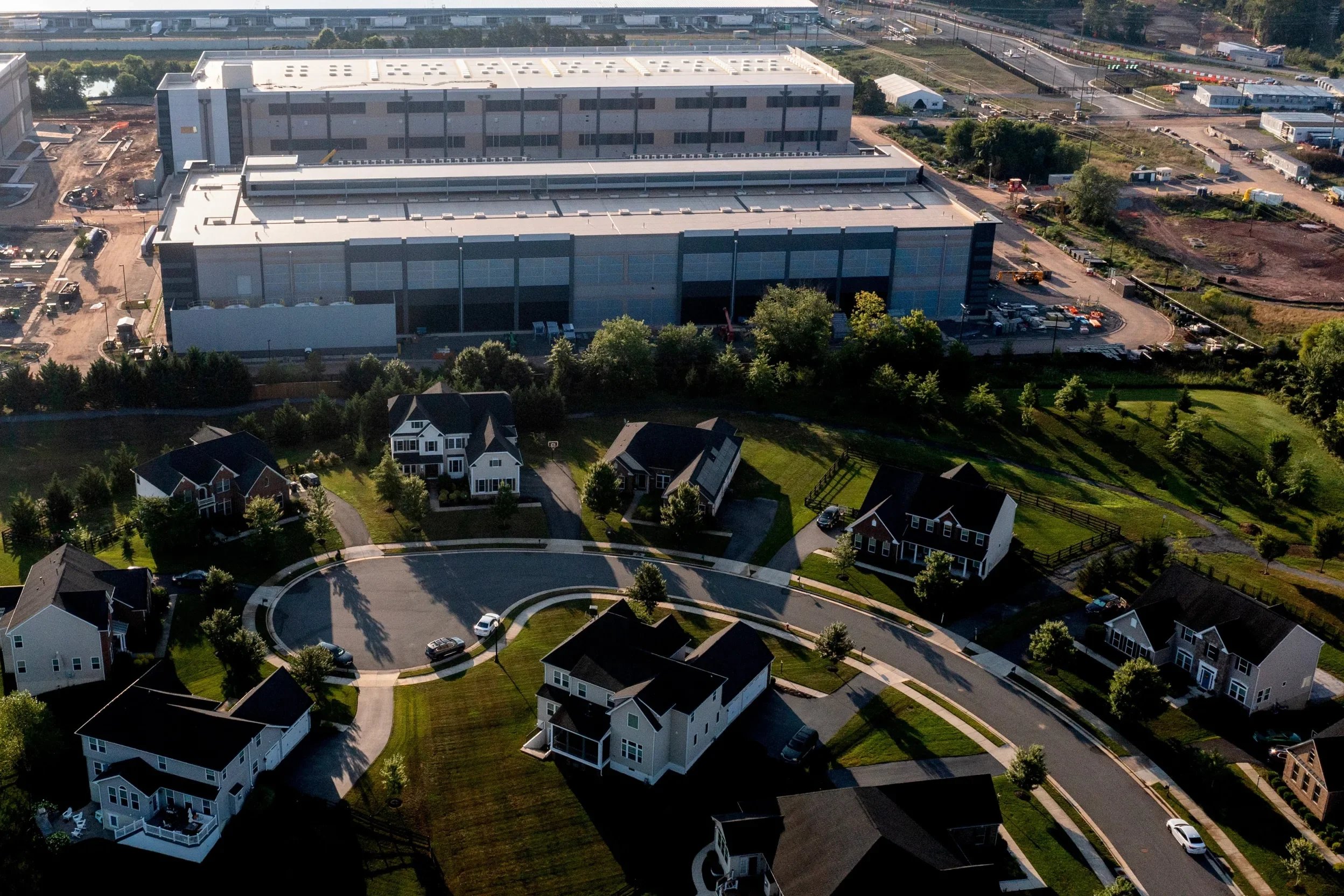
Credit: Nathan Howard/Bloomberg via Getty Images
Across the United States, enormous data centers are rising is farmlands, forests, and rural communities. These buildings, owned by companies like Amazon, Meta, Google, and Microsoft, are the engines behind the internet and the rapidly growing world of artificial intelligence. They store information, power online services, and train AI systems that millions of people use every day. But while technology companies see these facilities as essential for the future, many of the people living nearby see them very differently.
In community after community, residents are pushing back. What started as local complaints about noise, traffic, or construction has grown into lawsuits, public protests, and political battles. The fight is no longer just about technology. For many communities, it is about protecting their water, their environment, and their quality of life.
Virginia
The best example can be found in Northern Virginia, often called the data center capital of the world. The region has so many massive server farms that much of the internet depends on infrastructure located there. Yet many residents say they feel overwhelmed by the pace of development. What were once open fields and wooded areas are increasingly being replaced by giant industrial buildings and power infrastructure. Homeowners have complained about constant mechanical hum coming from nearby facilities, while community groups worry about the loss of rural land and the growing demand for electricity and water. Several projects have faced legal challenges as residents attempt to slow or stop further expansion.
Some Virginia communities have had notable successes. In Louisa County, opposition to a proposed Amazon Web Services campus became so strong that the company ultimately withdrew its plans. Residents packed meetings and voiced concerns about how the project might change the character of their community. Many worried about increased traffic, noise, light pollution, and the impact on local landscapes. Their efforts demonstrated that even the largest technology companies have to respond when local communities organize effectively.
Georgia
Farther south, in Morgan County, Georgia, a different controversy has been unfolding around Meta's Stanton Springs data center. Residents living near the facility reported problems with their well water, including discoloration and reduced pressure. The issue attracted national attention and eventually reached federal policymakers. Although Meta maintains that independent studies found no connection between the facility and the water concerns, the situation illustrates a growing fear shared by many communities: that the arrival of large technology projects could place unexpected—or intentionally hidden—stresses on local natural resources.
Louisiana
In rural Louisiana, another Meta project has sparked concern on an even larger scale. The company's planned Hyperion campus is expected to become one of the world's largest AI-focused data center developments. To supporters, the project represents investment and economic growth. To critics, it raises troubling questions. Residents have expressed concern about construction traffic, dust, diesel emissions, water consumption, and the enormous amount of electricity required to operate a facility of that size. Community groups have begun organizing and monitoring conditions as construction moves forward, hoping to better understand how the project may affect residents over time.
Oregon
Even Google's data centers in Dallas, Oregon have become part of the broader debate. There, the controversy focused less on construction impacts and more on transparency. A legal battle over public records ultimately led to the disclosure of how much water Google's facilities were using from local supplies. The case fueled a nationwide discussion about whether large technology companies should be required to reveal more information about the environmental demands of their operations.
Summary
What connects all of these stories is a simple question: who should bear the costs of building the infrastructure behind modern technology? The benefits of data centers are easy to see. They support online services, create jobs, and bring tax revenue to local governments. But the costs are often felt most directly by the people who live next door. They hear the noise, watch the construction, experience the traffic, and worry about the long-term effects on their communities. Whether those concerns are ultimately confirmed or not, many residents feel they have not always had a meaningful voice in the decision-making process.
As artificial intelligence continues to grow, so will the demand for more data centers. The industry's future may depend on more than access to land, water, and electricity. It may also depend on earning the trust of the communities being asked to host these massive facilities. For now, from Virginia to Georgia to Louisiana, a growing number of Americans are asking whether the rush to build the digital future is moving too fast—and whether their communities are paying a price that has not been fully considered yet.