How Hyperscale Data Centers Are Getting Approved So Fast
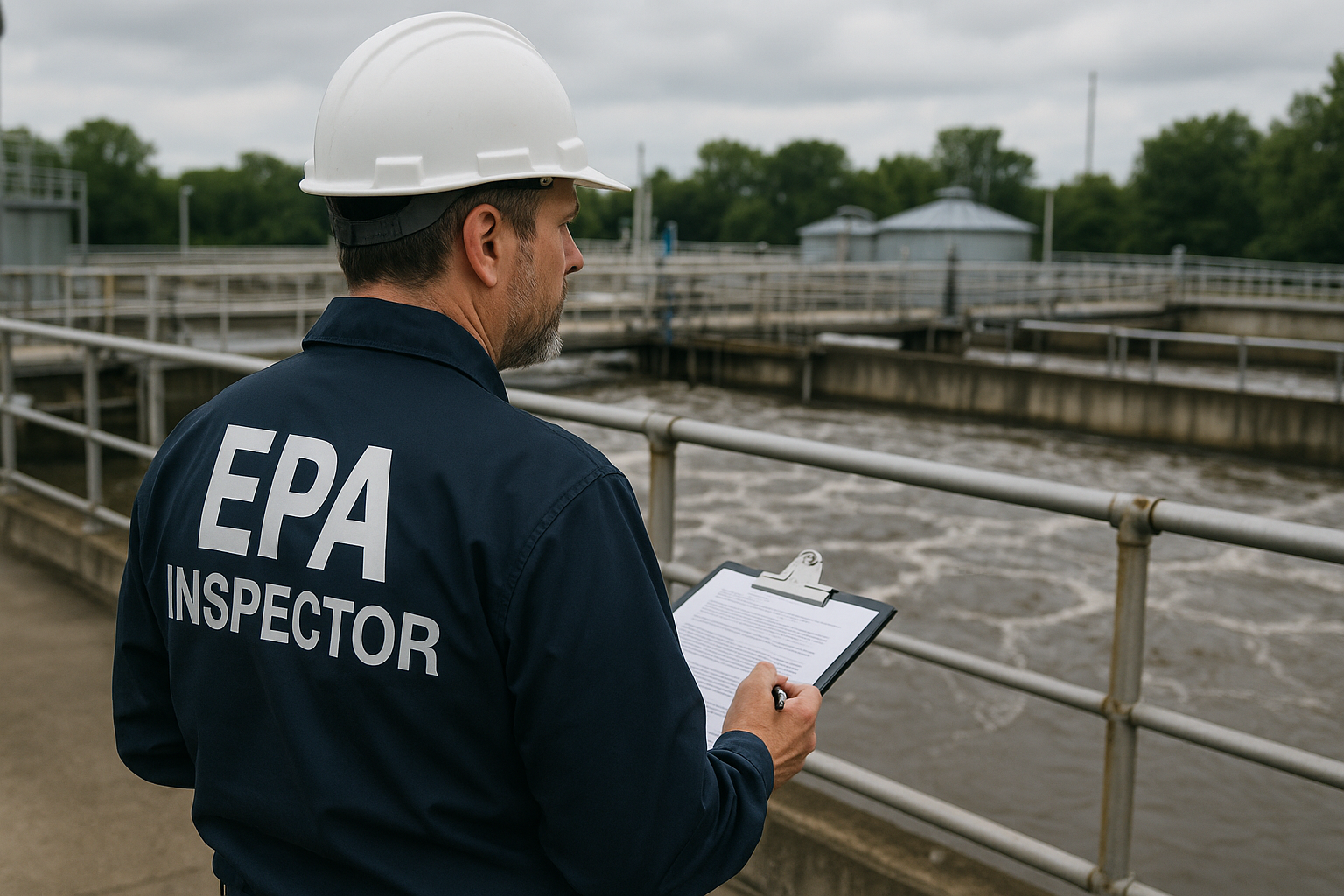
The U.S. approval process for hyperscale data centers—often defined as facilities requiring 100+ megawatts of power—has undergone a fundamental transformation since mid‑2025. What was once a strict, evidence-based review system has now been reshaped into an approval express-lane for wealthy corporations.
This shift is driven by two overlapping moves:
The One Big Beautiful Bill Act (OBBBA), which restructured environmental review (NEPA)
The AI Executive Order and Action Plan (July 23, 2025), which applies those reforms specifically to large-scale AI infrastructure
Together, they don’t just “speed things up”—they redesign how hyperscale projects get approved.
1. The Original System
Before 2025, hyperscale data center approvals were gated by several structural bottlenecks:
Environmental Reviews
Projects triggering NEPA often faced:
Environmental Assessments (EA): 1–3 years
Environmental Impact Statements (EIS): 3–5+ years
These timelines were open-ended and frequently extended due to additional study requirements.
Broad Scope of Analysis
Agencies were expected to evaluate:
Direct, indirect, and cumulative environmental impacts
Effects beyond the immediate project footprint
This required intensive documentation and extended review times.
Fragmented Permitting
Developers had to navigate:
Multiple agencies (EPA, Army Corps, etc.)
Regulatory frameworks (Clean Air Act, Clean Water Act, etc.)
Sequential—not parallel—approvals
High Litigation Risk
Broad standing and extensive review records made projects vulnerable to legal challenges, often delaying approvals further.
Bottom line: Hyperscale projects routinely took 3–7+ years to secure full federal approval.
2. What the OBBBA Changed
The One Big Beautiful Bill Act did not explicitly target data centers—but it rewrote the environmental review system that governs them.
A. Paid Fast-Track Reviews
Developers can now pay for accelerated NEPA review:
180 days for EAs
~1 year for EISs
This represents a dramatic reduction from historical timelines and gaurdrails.
B. Narrower Review Scope
Agencies now have greater discretion over:
Which impacts must be analyzed
Whether to consider indirect or unrelated effects
This reduces agency controls and significantly reduces required documentations.
C. Streamlined Agency Procedures
Multiple federal agencies replaced strict NEPA rules with more lenient guidelines
This allows:
Faster internal processing
Less procedural controls
D. Institutional Shift Toward Speed
Combined with broader reforms, NEPA reviews are becoming:
More time-constrained
More developer-influenced
The result is a system no longer controlled by environmental analysis.
3. What the AI Executive Order Added:
Where the OBBBA rewrote the environmental review process, Trump’s July 2025 Executive Order created a specific fast-lane for hyperscale data centers.
A. Formal Definition of Hyperscale Projects
Projects qualify if they meet thresholds:
≥100 MW power demand
≥$500M investment
Or national security relevance
This creates a clear federal category for large AI-driven infrastructure that is now classified as necessary for National Security purposes.
B. FAST‑41 Coordinated Permitting
Eligible projects are routed into a centralized system that:
Surpasses agency reviews
Allows faster processing
Reduces oversights
This replaces the original approval chain, altogether.
Hyperscale projects now have multiple pathways around formal NEPA reviews:
Categorical Exclusions: Skip detailed environmental review entirely
Limited Federal Funding: Projects with <50% Federal funding avoids NEPA classification
Paid Fast-Track: Constrain review timelines dramatically
Instead of a single gated process, developers can choose the fastest viable route.
D. Expanded Regulatory Streamlining
Federal agencies are directed to accelerate approvals under:
Clean Air Act
Clean Water Act
CERCLA & related statutes
This reduces reviews beyond NEPA.
E. Strategic Siting Advantages
The federal government is actively enabling:
Development on federal lands
Use of brownfield and Superfund sites
This opens land for rapid deployment.
4. Before vs After
From Sequential → Parallel
Before: Agencies acted independently
After: Coordinated review under FAST‑41
From Mandatory → Conditional Review
Before: NEPA was almost unavoidable
After: Projects can:
Bypass
Streamline
Pay to accelerate
From Open-Ended → Time-Bound
Before: Approvals were indefinite
After: Approvals take 6–12 months
From Generic Infrastructure → Strategic Priority
Before: Data centers treated like any large project
After: Framed as National Security and AI infrastructure
5. What This Means for Hyperscale Development
The combined effect of OBBBA + the AI Executive Order is not incremental—it’s systemic.
Key Outcomes
Approval timelines shrink from years to months
Developers gain control
Large-scale AI infrastructure receives federal prioritization
The regulatory framework shifts from constraint to avoidable
Strategic Implication
For hyperscale developers, the new system offers a choice of regulatory strategies:
Avoid review where possible
Compress timelines when necessary
Align with federal priorities to gain access and speed
Final Takeaway
The U.S. has effectively moved from a compliance-first permitting model to a deployment-first framework for hyperscale data centers.
The OBBBA removed the biggest bottlenecks inside environmental review, while the AI Executive Order furthered an express lane for projects that meet hyperscale thresholds.
Together, they transform permitting from a multi-year guardrail into an accelerated bypass.